For more than a century, agriculture has been part of Modesto High School’s story. Now, that legacy enters a new chapter.
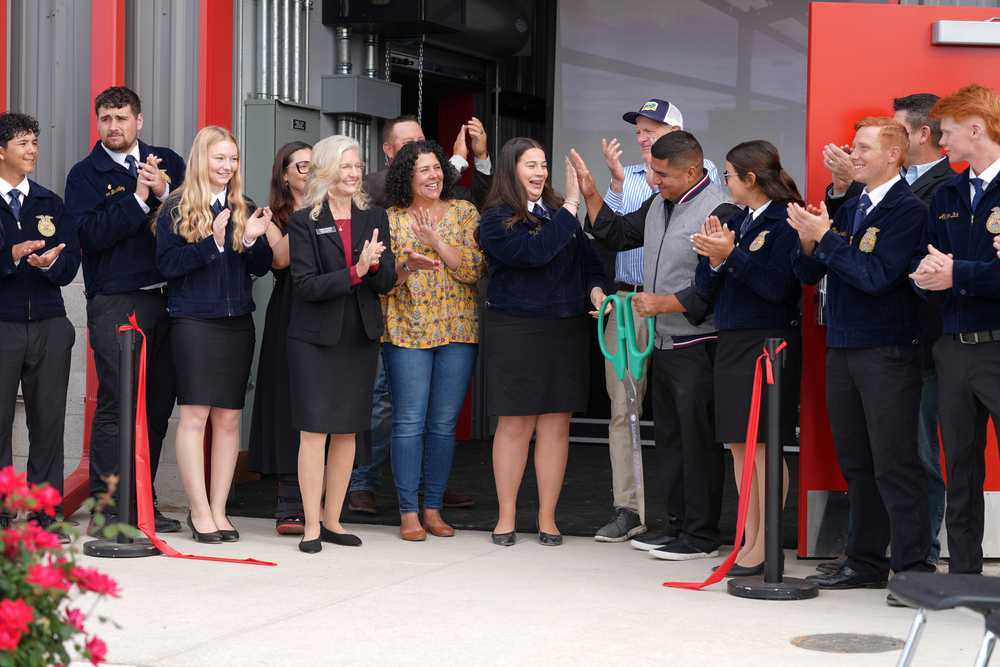
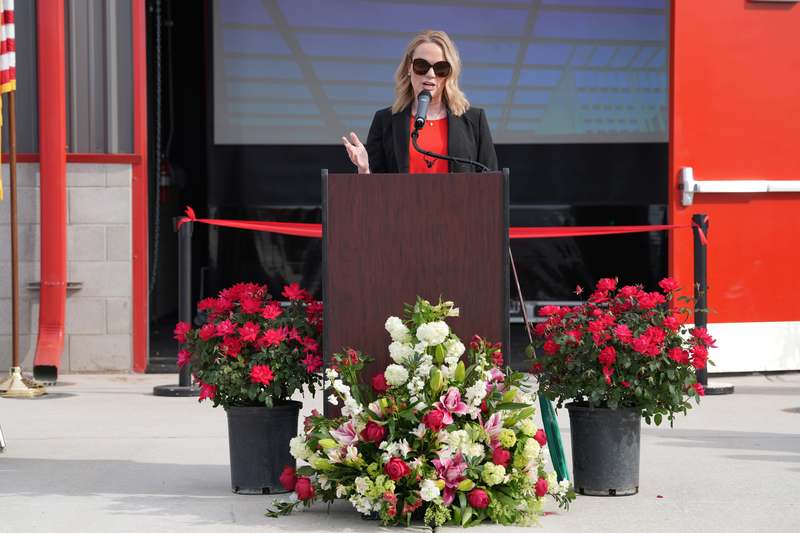
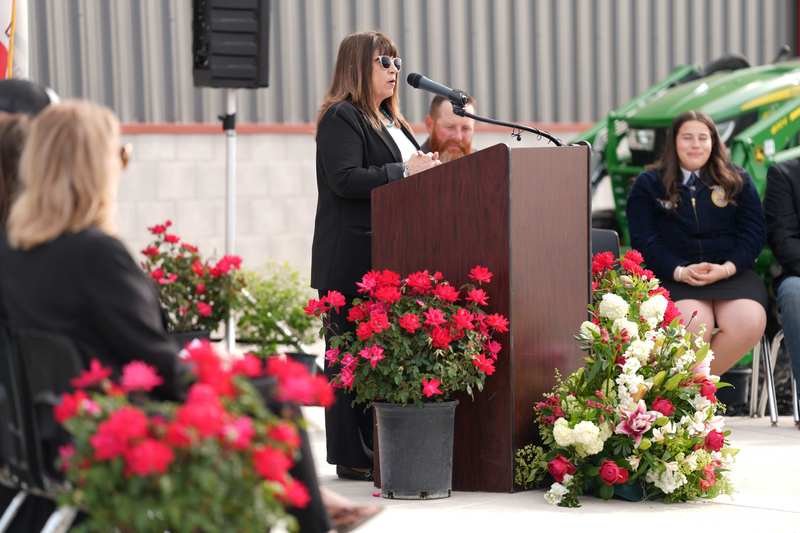
Students, staff, and community members gathered this week to celebrate the opening of Modesto High’s new agricultural farm on Bangs Avenue, a dedicated space designed to give students hands-on experience and expand opportunities in one of the region’s most vital industries.
“This is more than just a farm,” said Modesto City Schools Superintendent Dr. Vanessa Buitrago. “It’s a place where students can apply what they learn in the classroom, explore future careers, and develop skills that will serve them well beyond high school.”
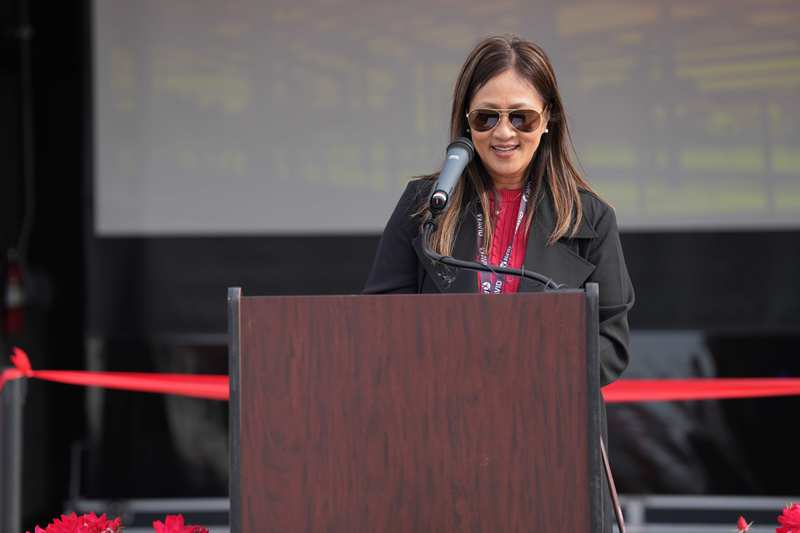 Modesto High Principal Phuc Pham-Goulart said the impact will be felt immediately by students.
"This space represents a significant investment in our students and their futures," she said. It expands opportunities by providing environments for hands-on agricultural learning."
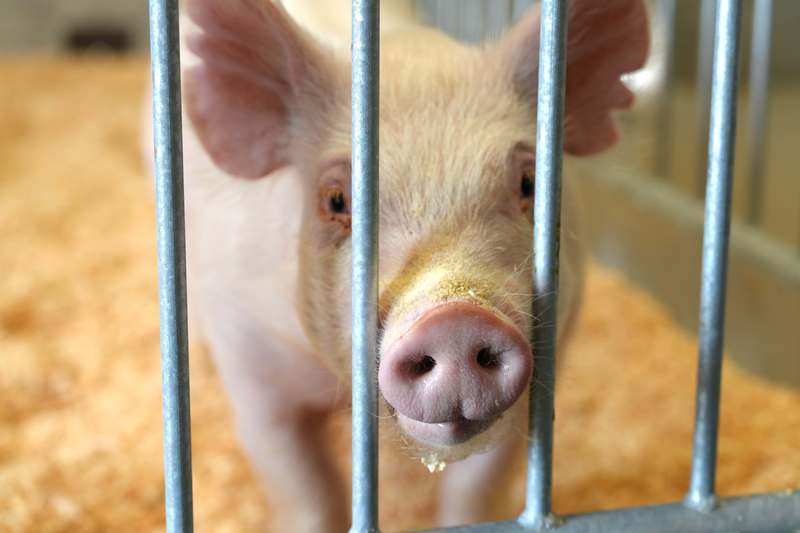
The 13,600-square-foot facility includes space for livestock, instructional use, and future expansion. At full capacity, the farm will support approximately 30 animals, including pigs, goats, and sheep, along with about 200 chickens and the potential for a small number of turkeys.
Honoring a Deep Agricultural Legacy
Modesto High’s agriculture program is one of the oldest in the state, with a history spanning more than 100 years and roots as one of California’s earliest Future Farmers of America chapters.
Agriculture teacher Scott Layne, who has spent 28 years teaching at Modesto High, reflected on that legacy and what this moment represents.
“We’ve been building toward this for a long time,” Layne said. “Modesto High agriculture has a long history, and having a place like this to call our own means everything. It's not just a school farm; it's a true agricultural facility."
Layne shared that the site will eventually include row crops and a small orchard, expanding opportunities for students to learn by doing.
From Vision to Reality
Bringing the project to life required years of planning, coordination, and a shared vision across teams.
“This project reflects a shared commitment to creating meaningful learning environments for our students,” said Tim Zearley, Associate Superintendent of Business Services. “It represents years of thoughtful planning and collaboration to make sure we got it right.”
Senior Director of Educational Options Rachelle Barkus remembers when the project was still just an idea.
“About five years ago, we stood on this land and started imagining what could be,” Barkus said. “At the time, it was just a vision. We saw potential, opportunity, and a space where students could learn in ways that go far beyond a traditional classroom.”
She acknowledged that the process took time, but momentum grew once the site was secured.
“The journey wasn’t quick or easy, but once the land was secured, everything began to take shape,” she said. “Our agriculture teachers poured their time, expertise, and heart into building something that truly reflects a gold standard for agricultural education.”
 In recent years, Modesto High invested in updated on-campus agricultural facilities, including a new building and greenhouse. At the same time, students continued to utilize off-campus resources, including the Stanislaus County Agricultural Center on Hackett Road, to support their work with animals, often requiring travel across town.
As student interest in agricultural education continued to grow, the need for a consistent, dedicated space became increasingly important.
After more than five years of planning and development, the new site now provides a reliable, long-term home for the program.
For Senior Director of Maintenance, Operations, and Transportation Roger Orth, the project is also deeply personal.
“All of our projects are a joy to celebrate because of our focus on students, but this one is especially meaningful to me,” Orth said. “My own children were part of the Modesto High agriculture program. I remember thinking, "Why do Modesto High students have to travel so far to care for their animals? This facility changes that.”
Expanding Opportunities for Students
For agriculture teacher Tammy Burris, the impact of the new facility is already clear.
“Since I joined Modesto High, we had a small number of students raising animals for the Stanislaus County Fair, mostly those who had the ability to do so at home,” Burris said. “With the construction of this facility, our participation has more than doubled, and I expect it will continue to grow.”
Beyond increased participation, Burris emphasized the expanded learning opportunities now available to students.
“This creates space for hands-on classes where students can develop practical skills,” she said. “It opens the door for partnerships with elementary schools, opportunities to grow food, and experiences that go far beyond the classroom.”
She added, “Experiential learning builds skills that last a lifetime.”
For students, the impact is immediate.
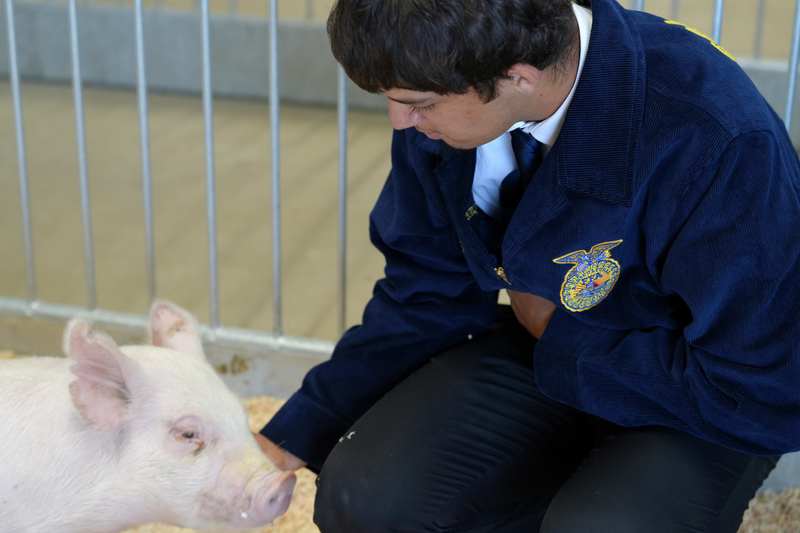
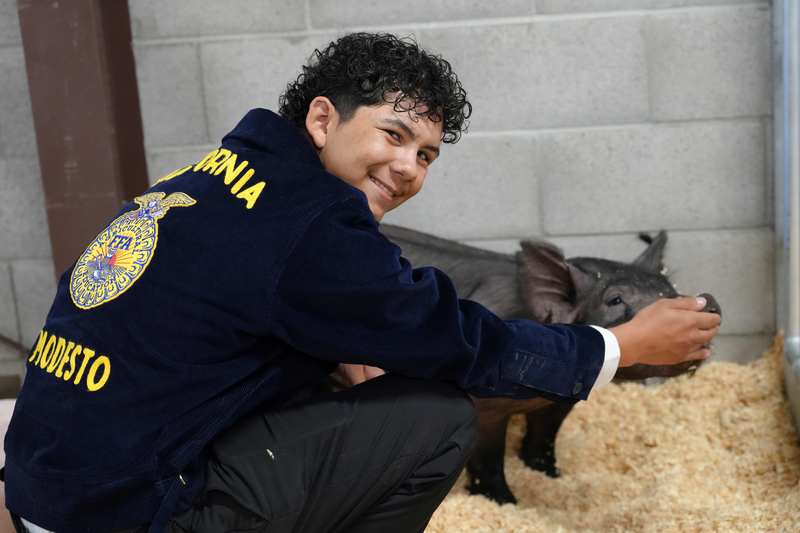
Modesto High junior Raymond Ortega is looking ahead to what the new space makes possible.
“This is my second pig, and I’m excited for the opportunity to raise it here,” Ortega said. “Right now, it’s about 70 to 80 pounds, and I’m hoping to get it up to around 230 to 250.”
He added that many students can get to the farm on their own.
Barkus noted that the program also has a limited number of vehicles available to support larger projects and class activities, helping ensure students stay involved.
For many students, the program opens the door to new interests and future pathways.
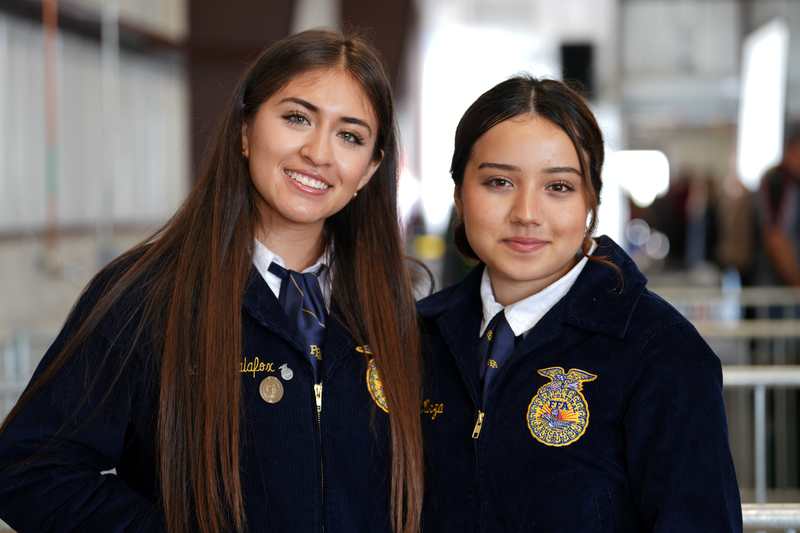
“Not all of our students come from an agricultural background,” said Adeline Pombo, president of Modesto High’s FFA chapter. “This gives them the chance to experience something new and discover what they’re passionate about.”
Rooted in Community, Built for the Future
The Modesto High Agricultural Farm is located on land leased from the Modesto Irrigation District, with additional support from community partners, including the J.G. Lau Foundation and Yosemite Farm Credit, which contributed equipment and materials, including a tractor.
Together, these partnerships helped bring the vision to life and ensure students have access to high-quality, hands-on learning experiences.
For Barkus, the impact is lasting
“This space is more than just an ag farm,” she said. “It’s where students build skills, responsibility, and pride. It connects them to industry, to community, and to opportunities that stay with them long after high school."
As the program continues to grow, the new farm stands as both a reflection of Modesto High’s history and a commitment to its future.
“This started as an idea, and now it’s a reality,” Barkus said. “It’s something our entire community can be proud of.”